



Featured Homeschool Offers
Save up to 86% on this week's special offers.
Customer Favorites
Discover top-rated and recommended homeschool products.

Get Additional Discounts with a Homeschool ID Card
Homeschool ID cards can open the doors to savings and adventures! Access exclusive discounts and perks at stores, museums, theaters, and much more while proudly verifying your homeschooling status. Plus, these cards serve as a cherished keepsake, showcasing your status as a dedicated teacher or student on an unforgettable educational voyage.
Start saving now with your own Homeschool ID cards conveniently available here at the Club.
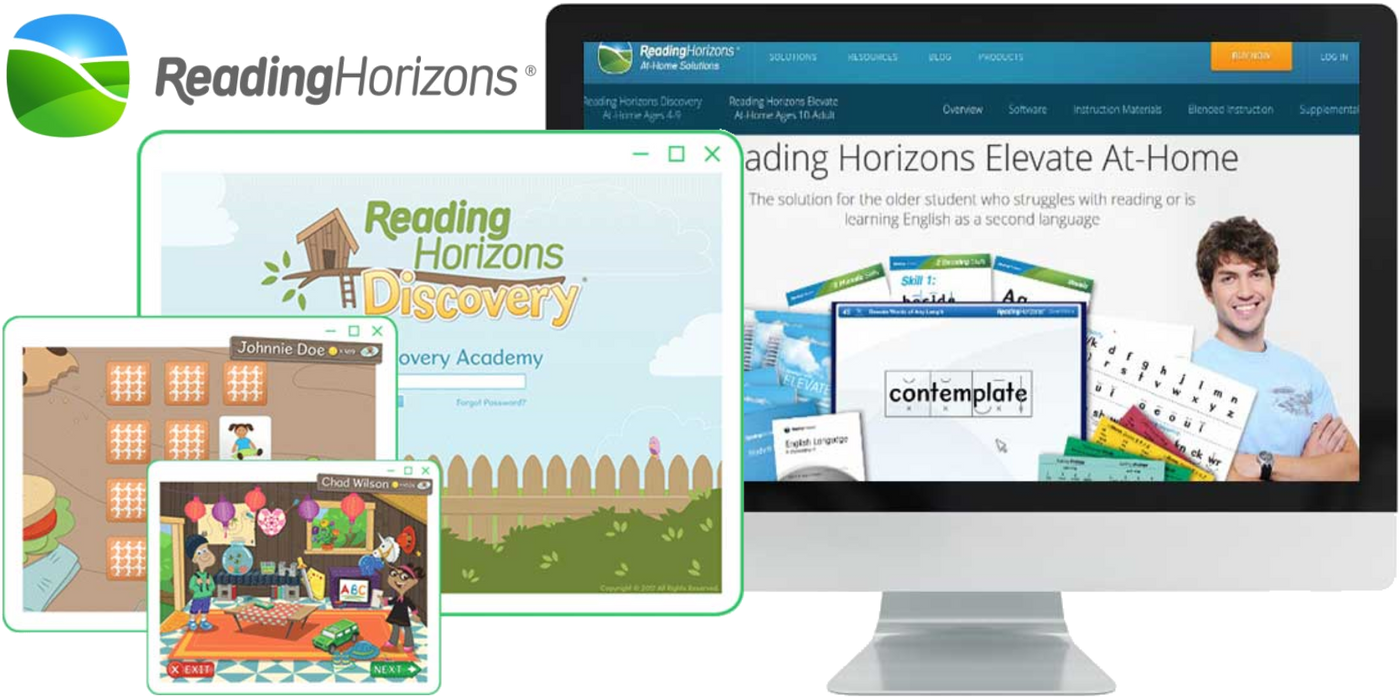
Reading Horizons
Reading Horizons provides an online, self-directed solution with software and instruction materials to help homeschool parents and tutors teach beginning and struggling readers how to discover reading success.
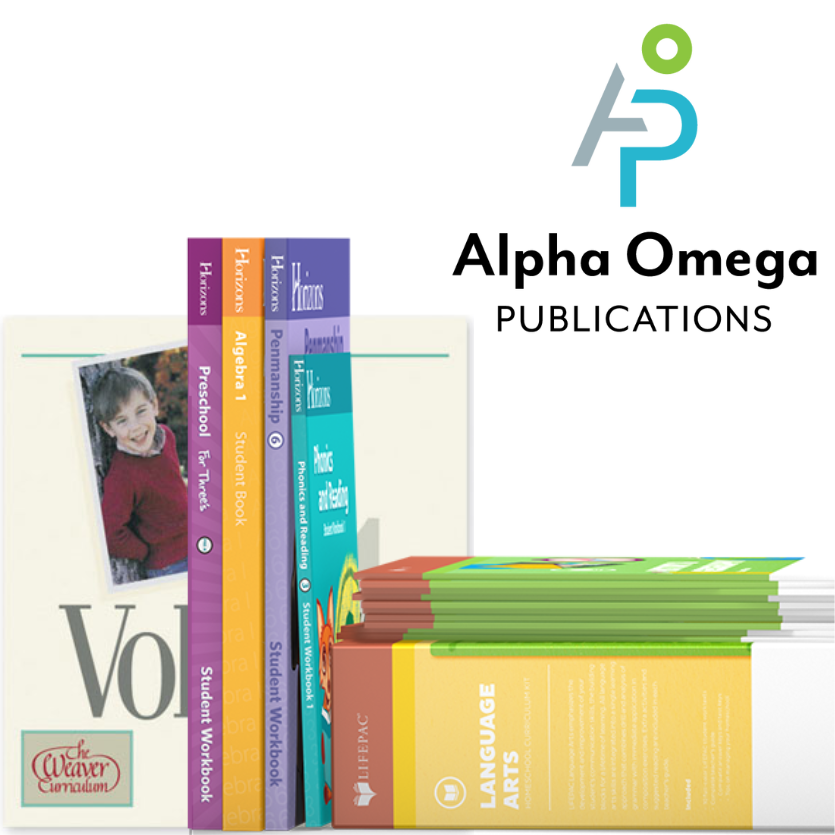
Alpha Omega Publications
AOP offers PreK-12 Christian curriculum to homeschoolers globally, featuring Horizons, Weaver, LIFEPAC.
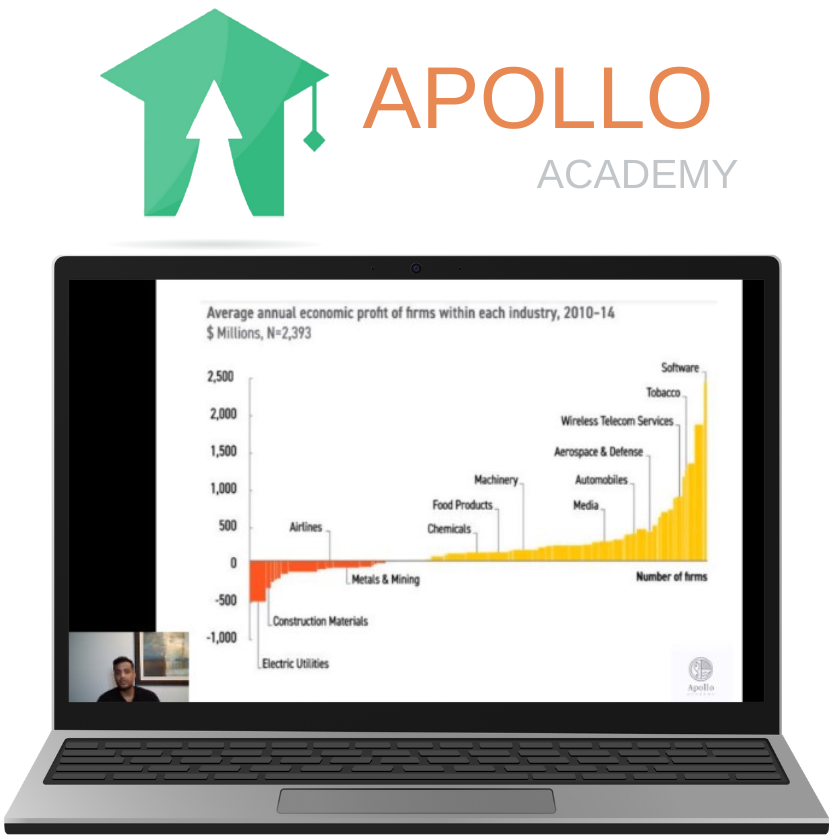
CompuScholar
Convert your child's screen time to productive learning with CompuScholar's user-friendly computer science curriculum.
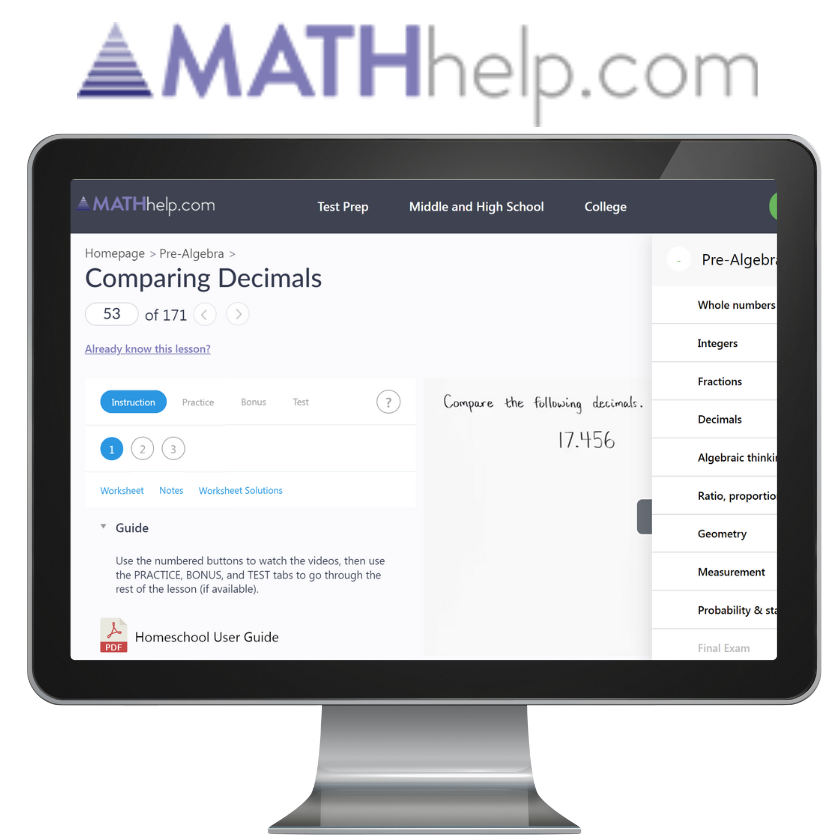
MathHelp.com
Homeschooling favorite online math curriculum, MathHelp.com, offers self-paced, personalized math courses for your middle or high school student.

Master Books
Browse our catalog for the award-winning publisher, Master Books and New Leaf Press for homeschooling favorite curriculum.
Try Before You Buy - FREE!
Explore new homeschooling curriculum possibilities. Experiment with free trials for a hands-on experience!
Spotlight Video
Save up to 21% on Breaking the Barrier until 4/29!
Breaking the Barrier's award-winning world language series builds language fluency and cultural insights through engaging, multisensory content.
New at the Club
Browse our selection of new curriculum, resources, and tools, all tailored to meet your homeschooling needs.




Testimonials
See what other families say about the Homeschoool Buyers Club.
- Serving more than 374,500 families, since 2005.
This site has been my "GO TO" for all my homeschooling needs for the past seven years. Thank you for helping me and my family through this wonderful journey!

Lisa C.
Love this website. Great discounts on fabulous products that really work. Great company to work with!

Vivian N.
I LOVE THIS GROUP! Absolutely my favorite place to get anything I need for the kids and our homeschool. They have just about everything you need and at a great price.

Julie O.
FAQs About Your Club
Subscribe and receive the latest updates on homeschool curriculum sales announcements for our exclusive offers. Subscribing to the Club guarantees you won't miss out on the lowest prices and widest selection.
The Club offers the purchasing power of hundreds of thousands of homeschooling families to give homeschoolers purchasing clout as a school district. At the Homeschool Buyers Club you get the best deals and the widest selection of homeschool curriculum. Save 10-87% off retail prices.
Refund policies differ for each publisher within the Club catalog. We recommend carefully reviewing the Terms & Conditions section of the product to understand the specific return policies established by each individual publisher.
Your subscription information is available in your Club account. Upon receiving an email notification regarding your subscription status, log in to your account and locate the "Subscriptions" section. From here you can manage your recurring subscriptions, locate subscription log in information, and view your purchased codes as well as explore all of your orders.
To access your account, simply locate the log-in icon situated in the top right corner of our homepage. Clicking on it will redirect you to the log-in page. Alternatively, you can click here for direct access.
You can reach our customer support team Monday through Friday, 9:00 AM to 6:00 PM, by filling out the contact form on our website here.
Unlock savings on the widest selection of top-rated homeschool curriculum.
- We're a big family of homeschoolers just like you and since 2005, we've committed to provide the best deals and the best homeschool curriculum.
- Subscribe to most one of largest homeschool clubs, with over 374,500 members.